
Six Integrated Academic Systems
System analysis for six interconnected academic sub-systems at Institut Teknologi Sains Bandung — authoring the full PRD and building all prototype screens that doubled as the project's gap-analysis instrument.
Six systems, one institution, and an accreditation domain I had to learn first.
Institut Teknologi Sains Bandung ran its academic operations across separated processes, much of it still not digital at all. The institution wanted what a modern campus runs on: integrated systems that make life easier for administrative staff, lecturers, and students at the same time. Six interconnected web sub-systems were scoped — LP3B, SPM (internal quality assurance), SARPRAS (facilities), Tracer Study, LMS, and Library. I joined as System Analyst on a three-month contract within the Cyber Campus delivery team.
The hard part wasn't the volume. It was LP3B. The system had to run accreditation simulations, and I didn't know how accreditation worked. Not vaguely — not at all. That meant learning the PPEPP quality cycle under Permendikbud No. 5/2020, how internal standards map onto BAN-PT and LAM instruments, how evidence validity and expiry are tracked, and how a readiness score is even calculated, before I could write a single functional requirement. The module pulls data from across the entire system, so getting the domain wrong wouldn't have produced a small bug. It would have produced a system that told a rector their institution was ready when it wasn't.
Document first, prototype second, and let the prototype find what the document missed.
Delivered on schedule — and invited back to the go-live five months after the contract ended.
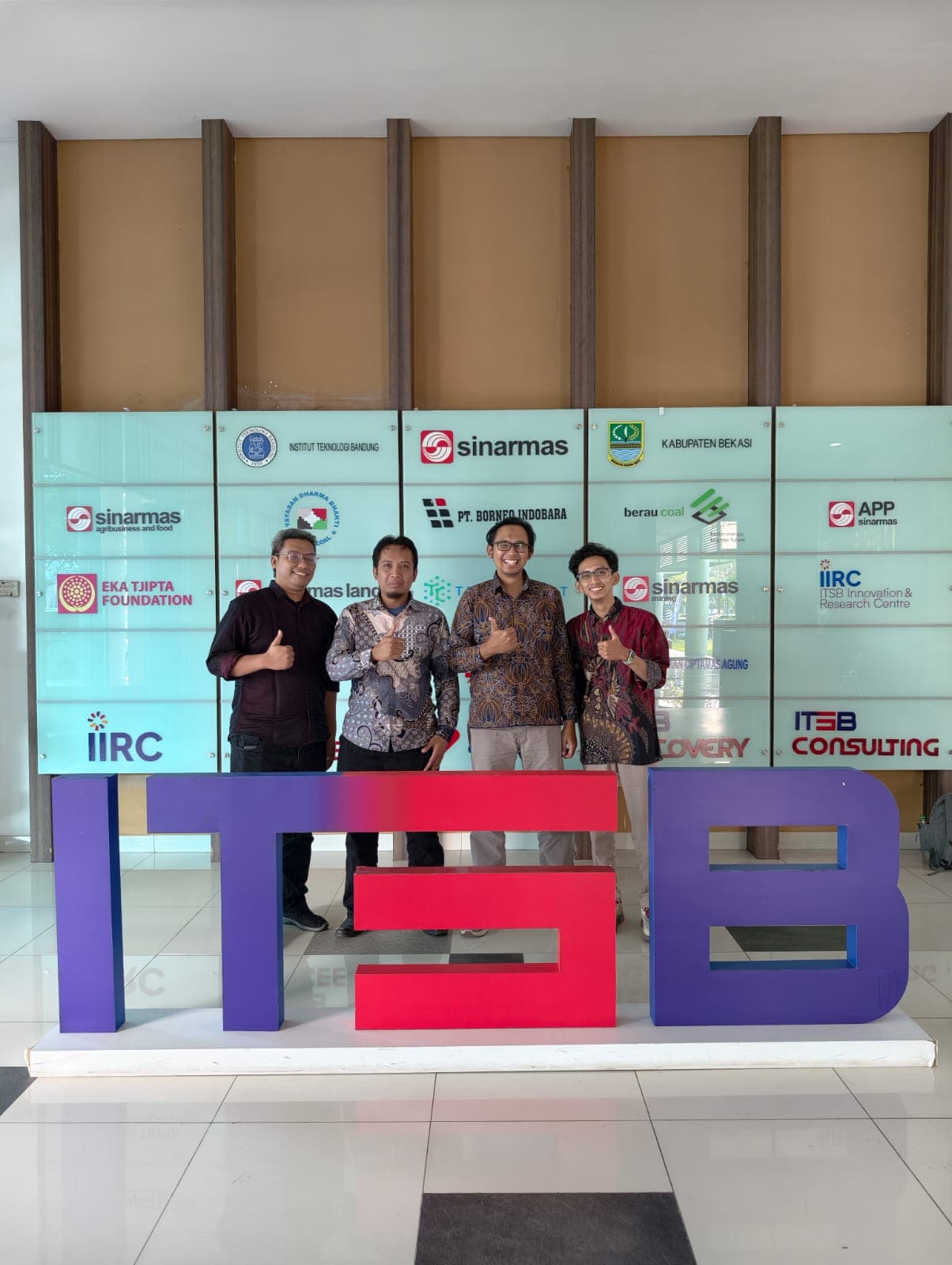
The project delivered on schedule. My contract ended in February 2026 at the three-month mark; development continued and the systems went live. In July 2026 the client invited me back to attend the go-live ceremony at the ITSB campus in person — five months after I'd stopped being paid. The systems are now in institutional change management, with additional features being identified in live operation. What I'd carry forward: prototyping from your own PRD is the fastest gap-analysis instrument I've used, and it removed the need for a separate design role on this project. But it also means the analyst is grading their own homework. On a project with real design capacity I'd want the prototype reviewed by someone who didn't write the requirements.